
Give It a Try! | 3 Tips for Better Foam and a Closer Look at Your Lather
14 Jul 2026 • Hiroaki Kaga

On this page
"I want a rich, fluffy lather when I wash my face."
"Sometimes the same cleanser foams well, and other times it doesn't."
"Is it my technique, or is it the cleanser?"
If you've ever wondered the same thing, you're not alone.
When I evaluate facial cleansers, I check their foaming performance over and over again. One thing I've learned is that small changes in technique can make a noticeable difference to the way a cleanser foams.
Of course, some cleansers naturally foam more easily than others. The types of surfactants (cleansing ingredients) they contain, together with the overall formulation, all influence how quickly and how well they produce foam.
That said, there are still a few simple techniques that work well with many cleansers.
In this column, I'll explain three practical tips you can try today, along with the science behind how foam is formed.
The Takeaway First | Three Tips for Better Lather
To create better foam, focus on these three points:
・Allow the cleanser to mix thoroughly with water (or lukewarm water).
・Incorporate plenty of air.
・Avoid adding too much water all at once.
There's no special technique required.
Simply paying attention to these three points can make a noticeable difference to both the amount of foam and how fine and creamy it becomes.
The example below uses a cream cleanser.


1. Dispense the recommended amount
Use the amount recommended by the manufacturer.
2. Before adding water, spread the cleanser thinly across your palms
👉 This helps the water mix through the cleanser more evenly.
3. Cup your hands slightly and add a small amount of water
👉 About one teaspoon is a good starting point.
4. Move your hands broadly to work air into the cleanser
👉 Foam forms by trapping air inside a thin liquid film.
5. As the foam begins to build, add a little more water gradually
👉 Adding water little by little makes it easier to control the consistency.
6. Continue incorporating air
Keep moving your hands while watching how the foam develops.
7. Add a little more water if needed
👉 A good guide is when the foam stays on your palm rather than running off immediately.
8. Stop when you've reached the texture you like
For a solid cleansing bar, rub the wet bar between your hands first to transfer the cleanser before following the same steps.
For powder cleansers, dissolve the powder with a small amount of water before incorporating air.
If you use a foaming net, try not to soak it with too much water from the start. Adding water gradually often produces a finer, creamier foam.
Why Does This Work? | How Foam Is Formed
Foaming facial cleansers contain surfactants, which are the cleansing ingredients responsible for washing away dirt and oil etc.
Surfactants have one part that mixes well with water and another part that interacts well with oils and air.

As you mix the cleanser with water and incorporate air, the surfactants arrange themselves at the boundary between the air and water, surrounding the air to form bubbles.
In other words, creating better foam comes down to three simple things:
・Allowing the cleanser to mix well with water
・Introducing plenty of air
・Avoiding too much water at once
Every tip in this column is based on this simple principle.
Of course, formulation also matters.
Different surfactants and ingredient combinations produce different types of foam. Some cleansers lather quickly, while others build foam more gradually or create bubbles with different textures.
Even so, with many cleansers, paying attention to these three points can noticeably improve the way they foam.
1. Why spread the cleanser before adding water?
If you wet a cream cleanser straight away, parts of it may remain in small clumps, making it harder for the water to mix evenly.
Spreading it thinly across your palms first allows the water to reach the whole cleanser more easily, helping it foam more readily.
It's a tiny extra step—but one that's well worth trying.
2. Why is incorporating air so important?
Foam simply can't form without air.
Even an excellent foaming cleanser won't produce much lather if very little air is worked into it.
Try moving your hands more broadly, or use a foaming net, to help introduce more air into the cleanser.
Rather than thinking about rubbing harder, think about bringing more air in.
That small change in approach can make a surprising difference.
3. Why does too much water make foaming more difficult?
It might seem logical that adding more water would create more foam.
In reality, adding too much water right at the beginning can dilute the cleanser too quickly, making it harder to build a fine, creamy lather.
Adding water gradually gives you much better control over the texture as the foam develops.
So if your cleanser isn't foaming as expected, before rubbing harder, try adjusting the amount of water instead.
Quite often, it's the water—not the effort—that makes the difference.
Give It a Try | Here's Something I Look At
The next time you create a nice lather, take a moment to look at it.
When I evaluate facial cleansers, I don't just look at how much foam they produce—I also look at the foam itself.

After lathering, I gently place both hands together so that the area between my thumb and index finger overlaps. Then I slowly slide just my thumbs apart.
This creates a thin film of foam between my hands.
If you look closely, you may notice rainbow-like colours appearing across the film, or see the film gently shifting and moving.
Some cleansers produce films that stay intact for longer, while others move more easily or break more quickly.
It's one of those moments that reminds me just how different foam can be from one cleanser to another.
Of course, this alone doesn't tell you whether a cleanser is good or bad.
But taking a closer look at the foam can reveal differences you might never have noticed before—and it can make an everyday face wash just a little more interesting.
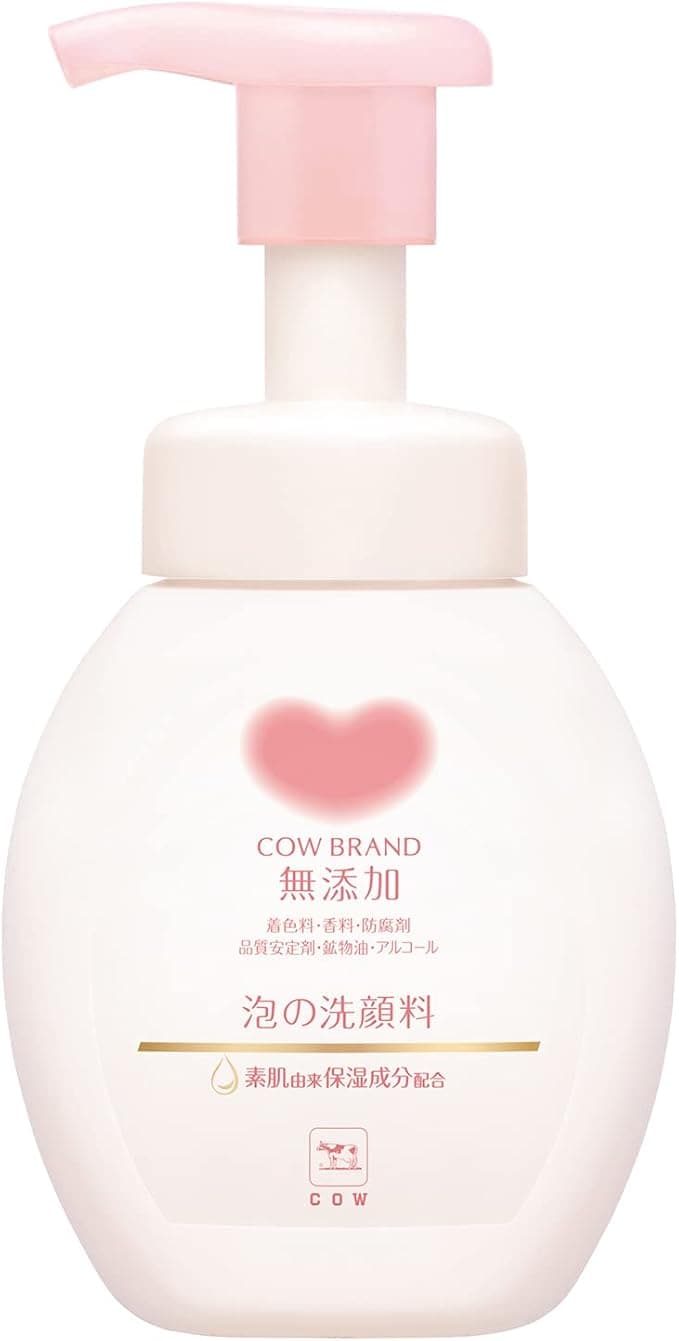
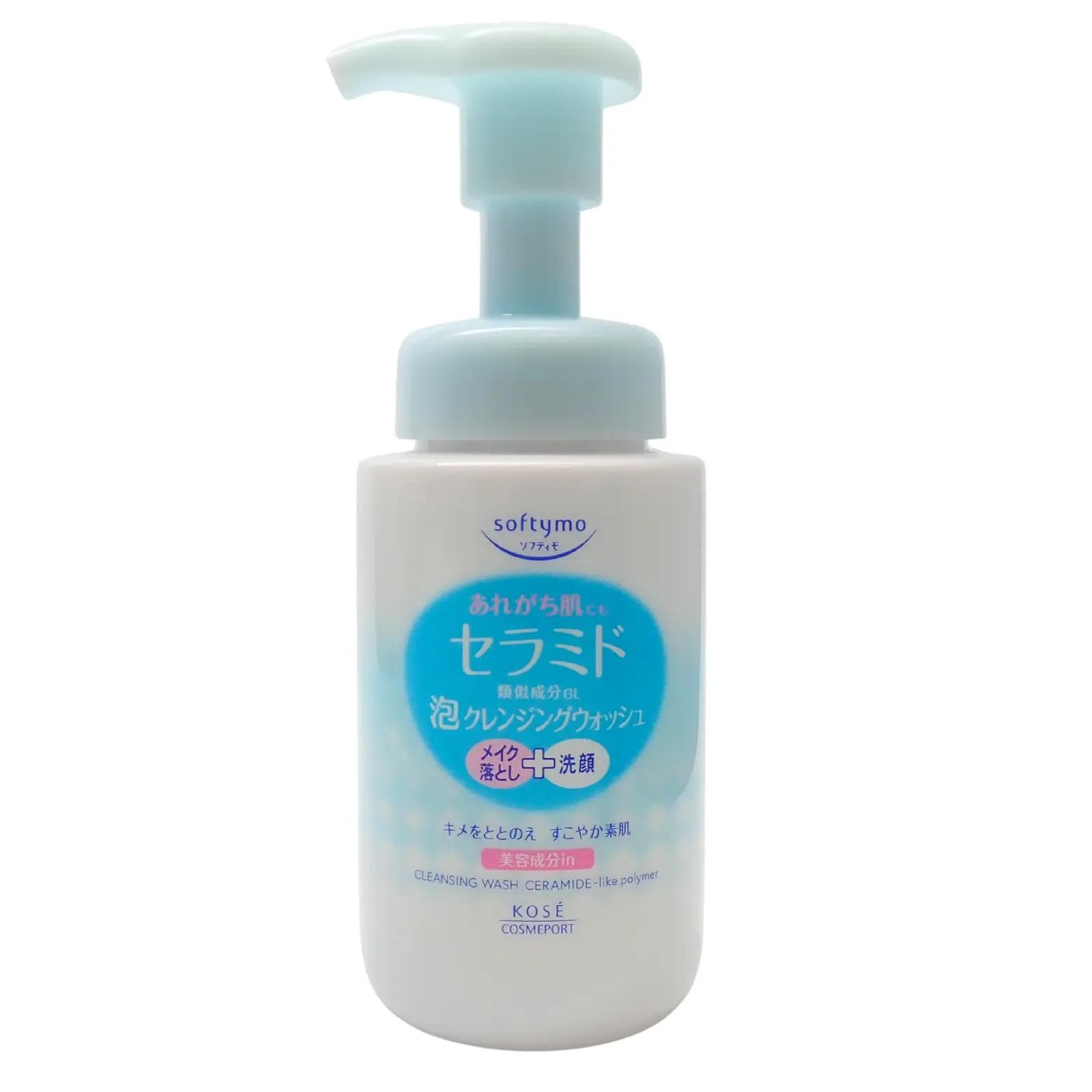
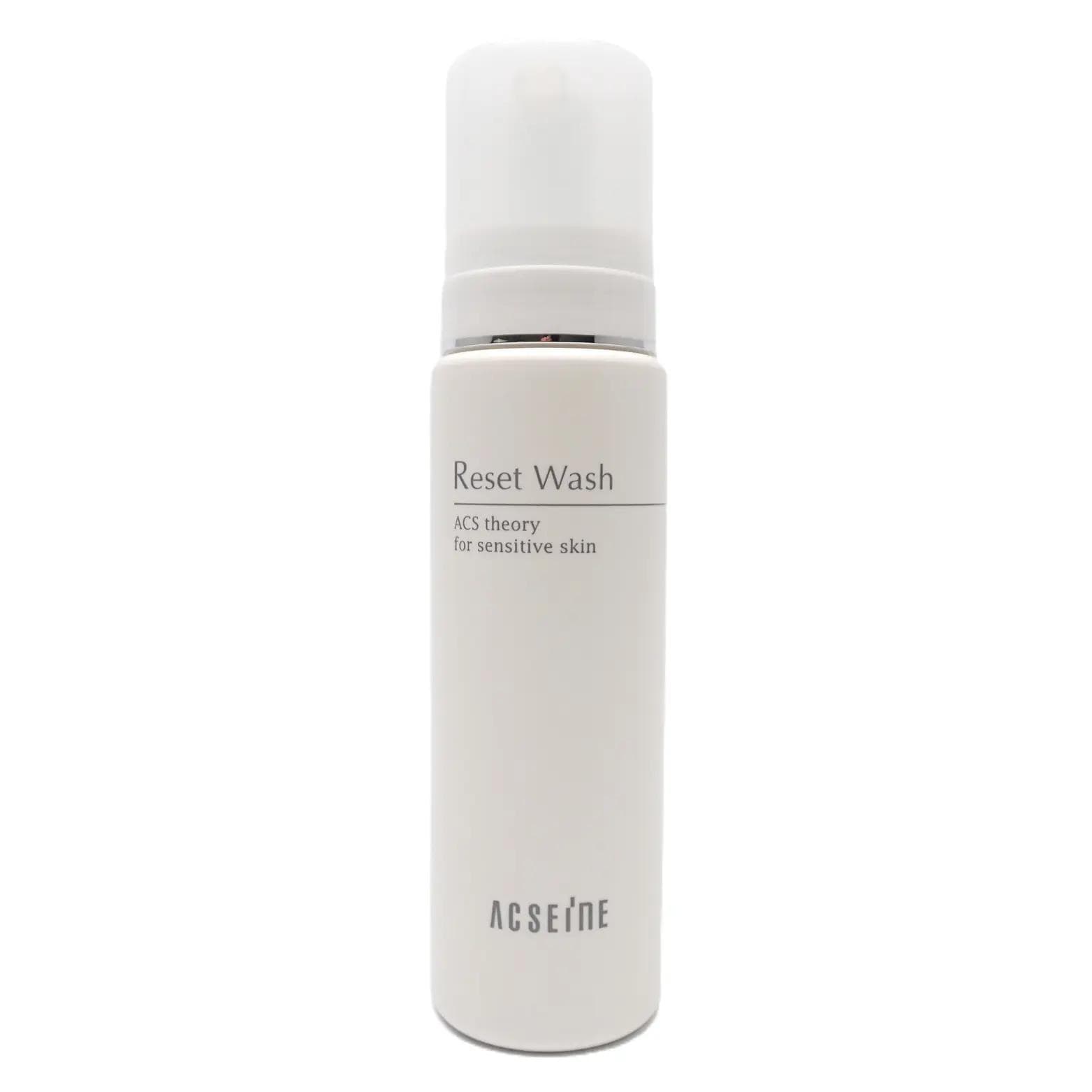
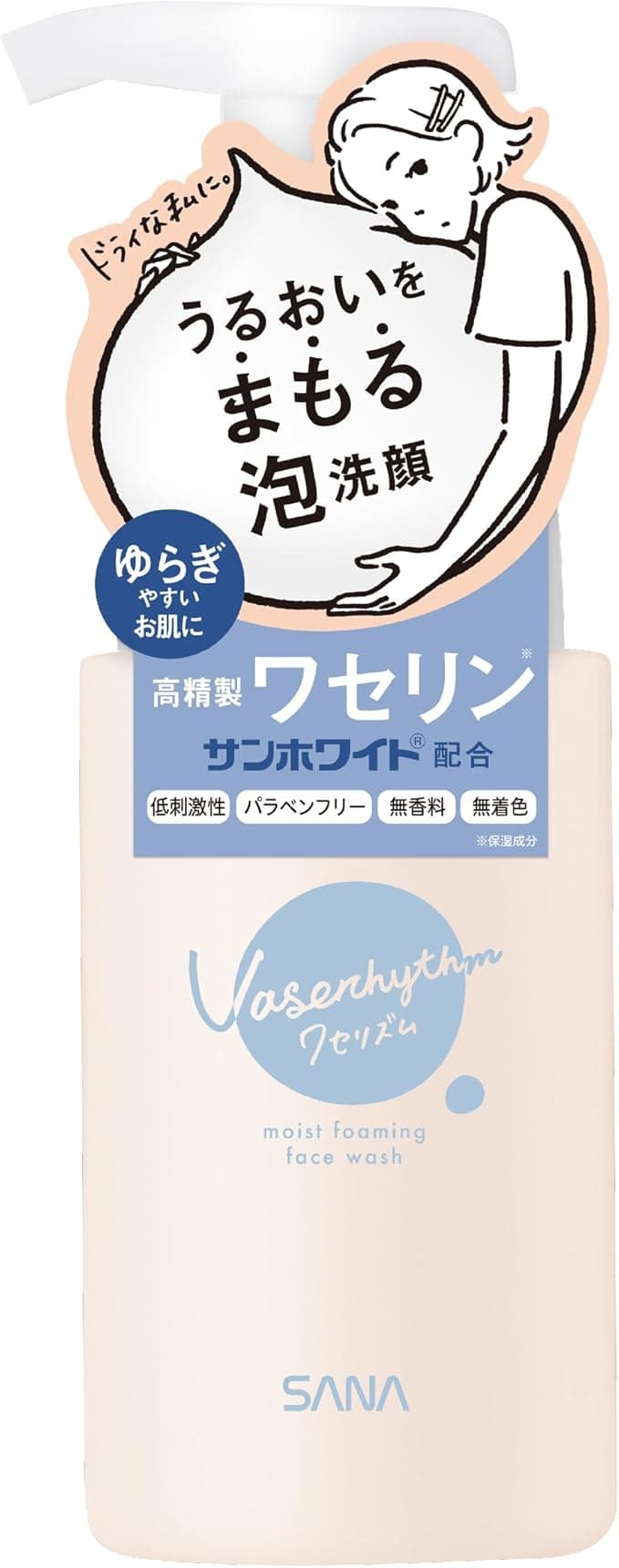
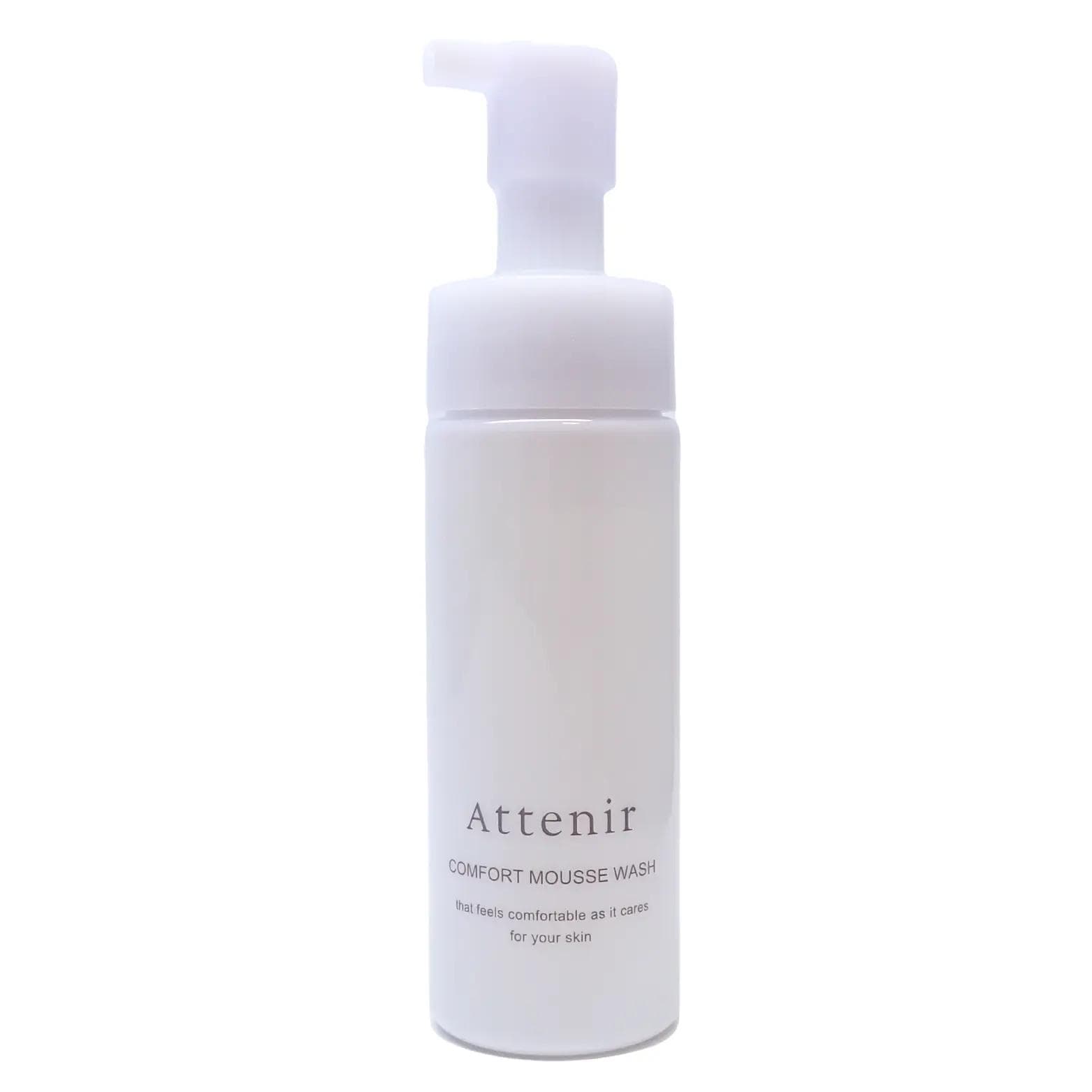
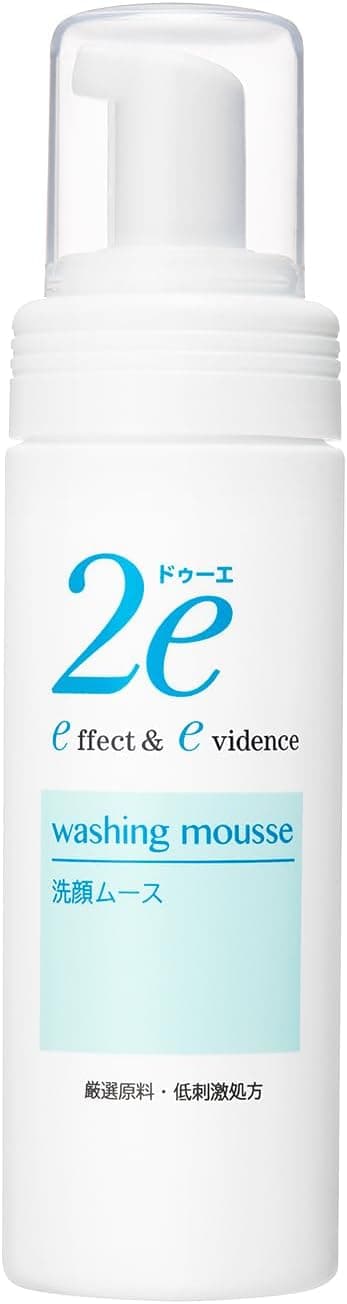
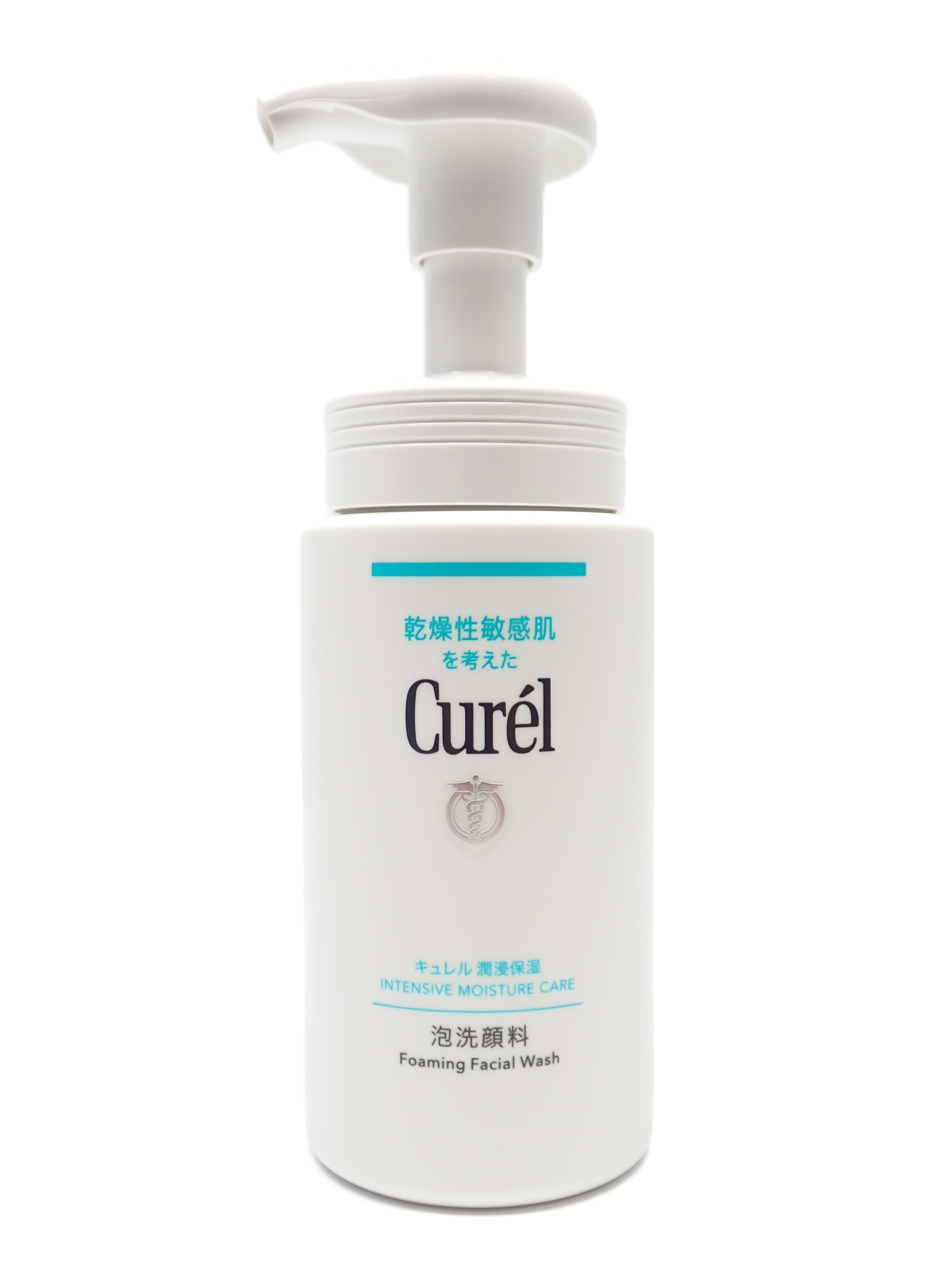
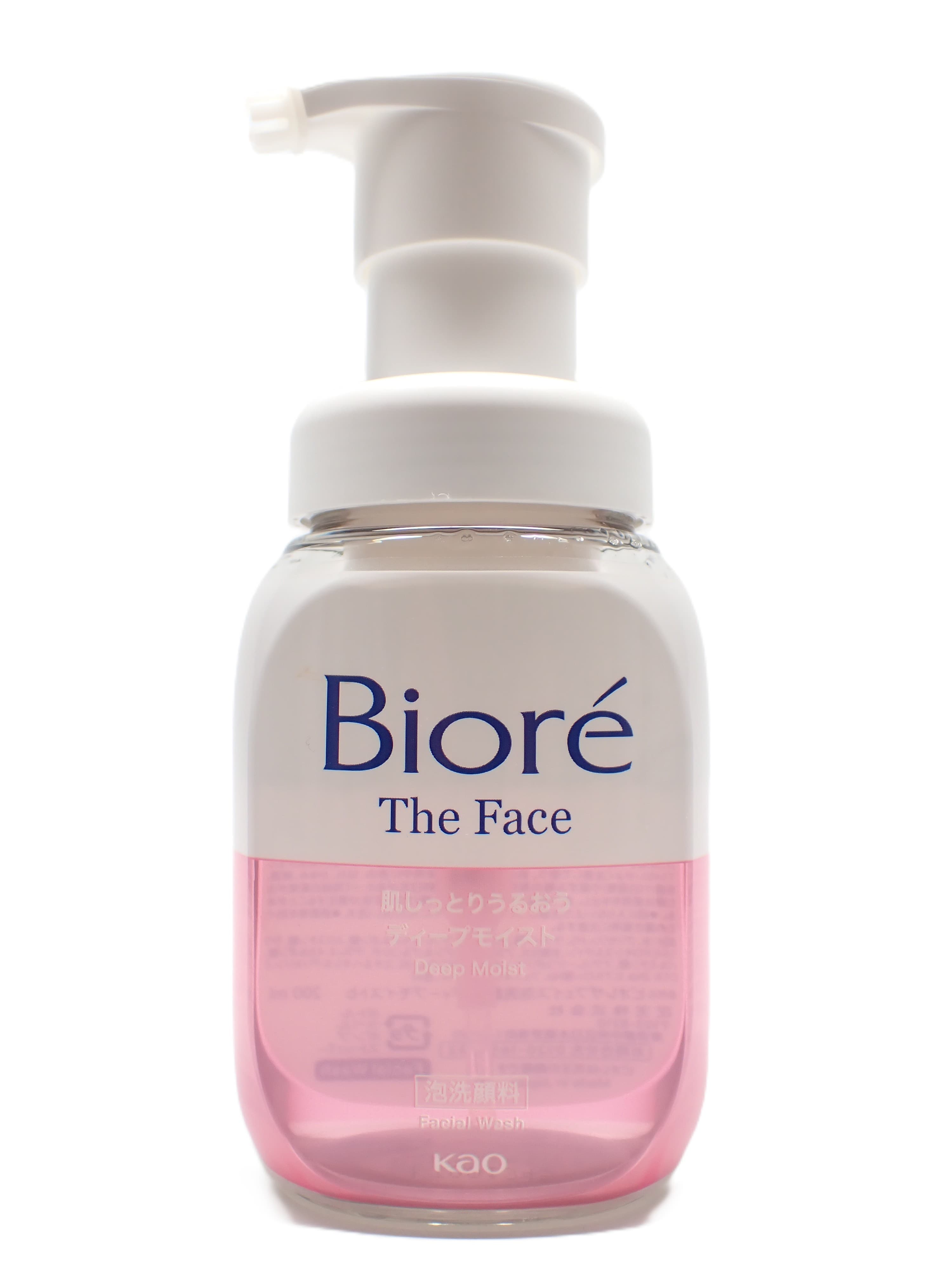
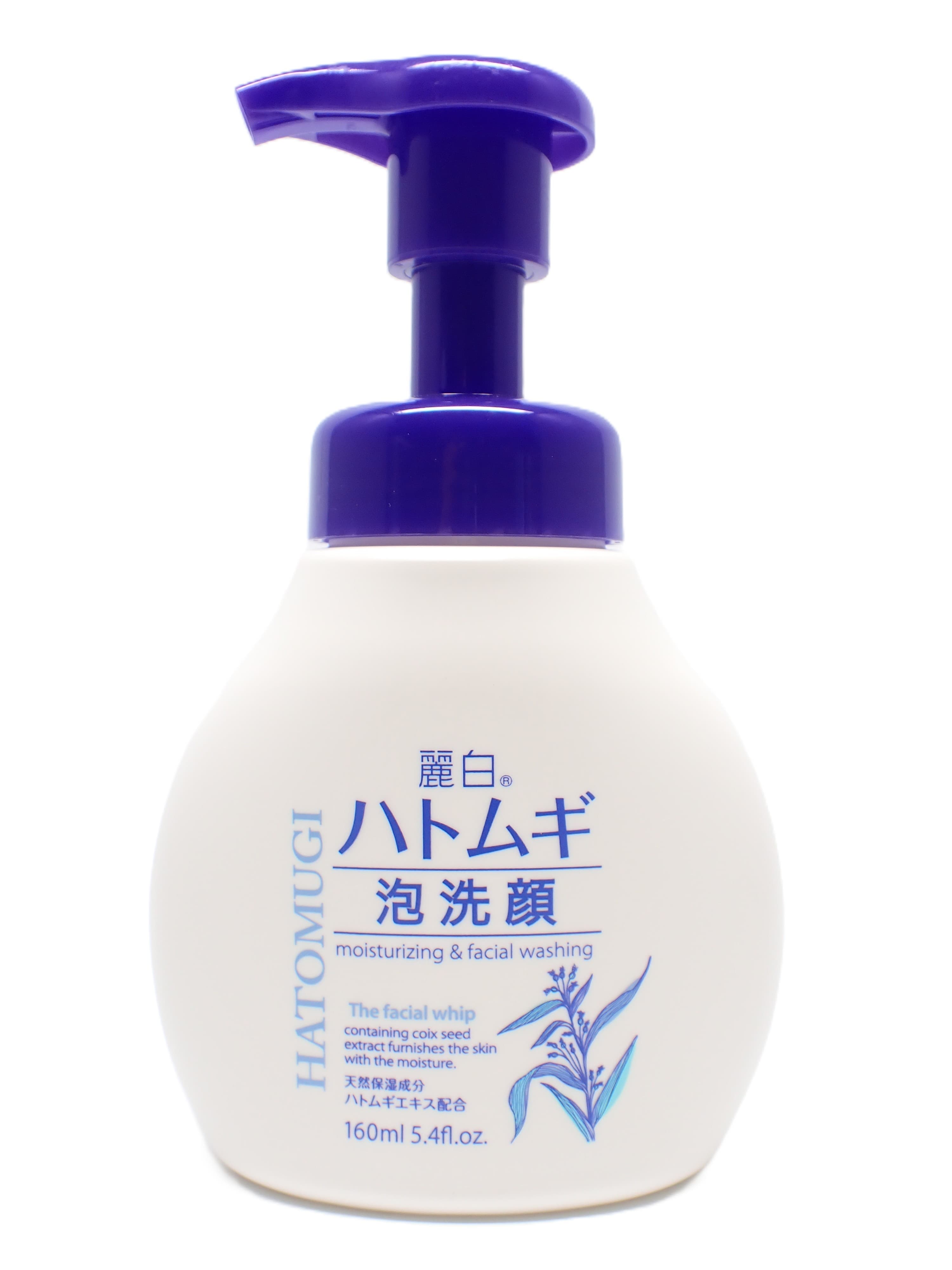
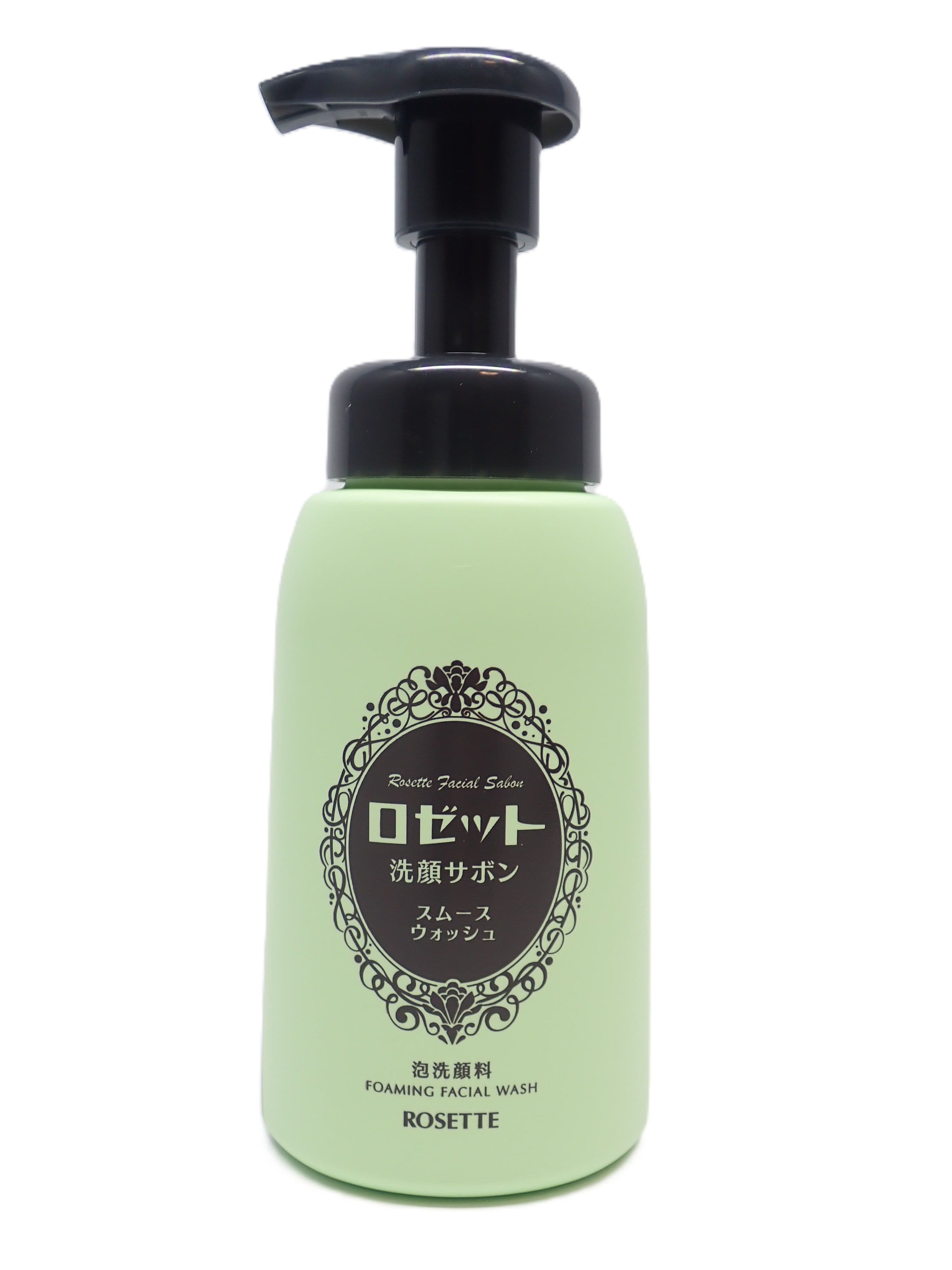
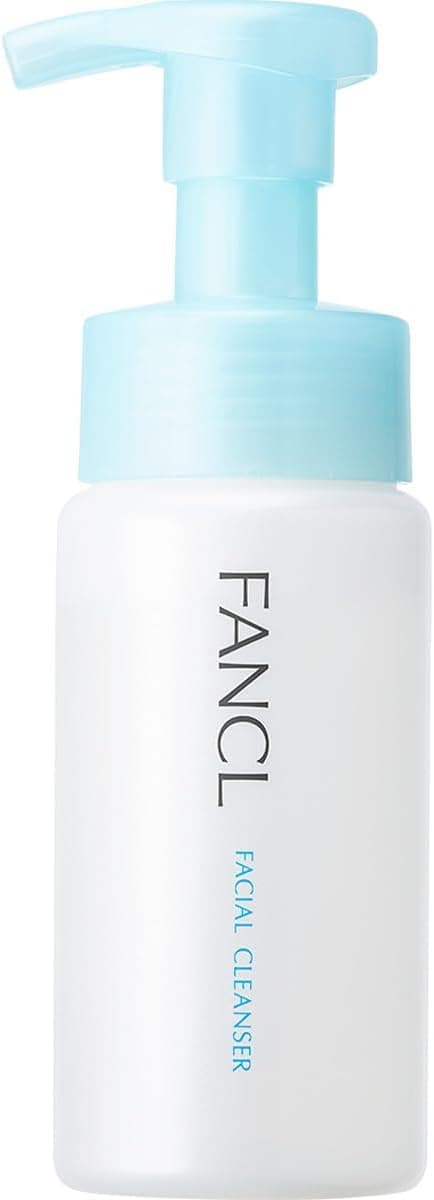
| Product | Foam texture | After-feel (immediate) | Volume | Uses per bottle | Details |
|---|---|---|---|---|---|
| Soft | Balanced | 160 ml | 67 uses | Buy on Amazon | |
| Soft | Balanced | 200 ml | 69 uses | Buy on Amazon | |
| Soft | Slightly moisturised | 200 ml | 85 uses | Buy on Amazon | |
| Soft | Moisturised | 150 ml | 60 uses | Buy on Amazon | |
| Balanced | Fresh | 150 ml | 81 uses | Buy on Amazon | |
| Balanced | Slightly fresh | 120 ml | 62 uses | Buy on Amazon | |
| Balanced | Slightly moisturised | 150 ml | 74 uses | Buy on Amazon | |
| Cushiony | Fresh | 200 ml | 45 uses | Buy on Amazon | |
| Cushiony | Slightly moisturised | 150 ml | 42 uses | Buy on Amazon | |
| Cushiony | Slightly moisturised | 150 ml | 56 uses | Buy on Amazon | |
| Cushiony | Slightly moisturised | 150 ml | 59 uses | Buy on Amazon | |
| Cushiony | Slightly moisturised | 200 ml | 66 uses | Buy on Amazon | |
| Dense | Balanced | 160 ml | — | Buy on Amazon | |
| Dense | Slightly moisturised | 180 ml | 72 uses | Buy on Amazon | |
| Dense | Moisturised | 150 ml | 50 uses | Buy on Amazon |
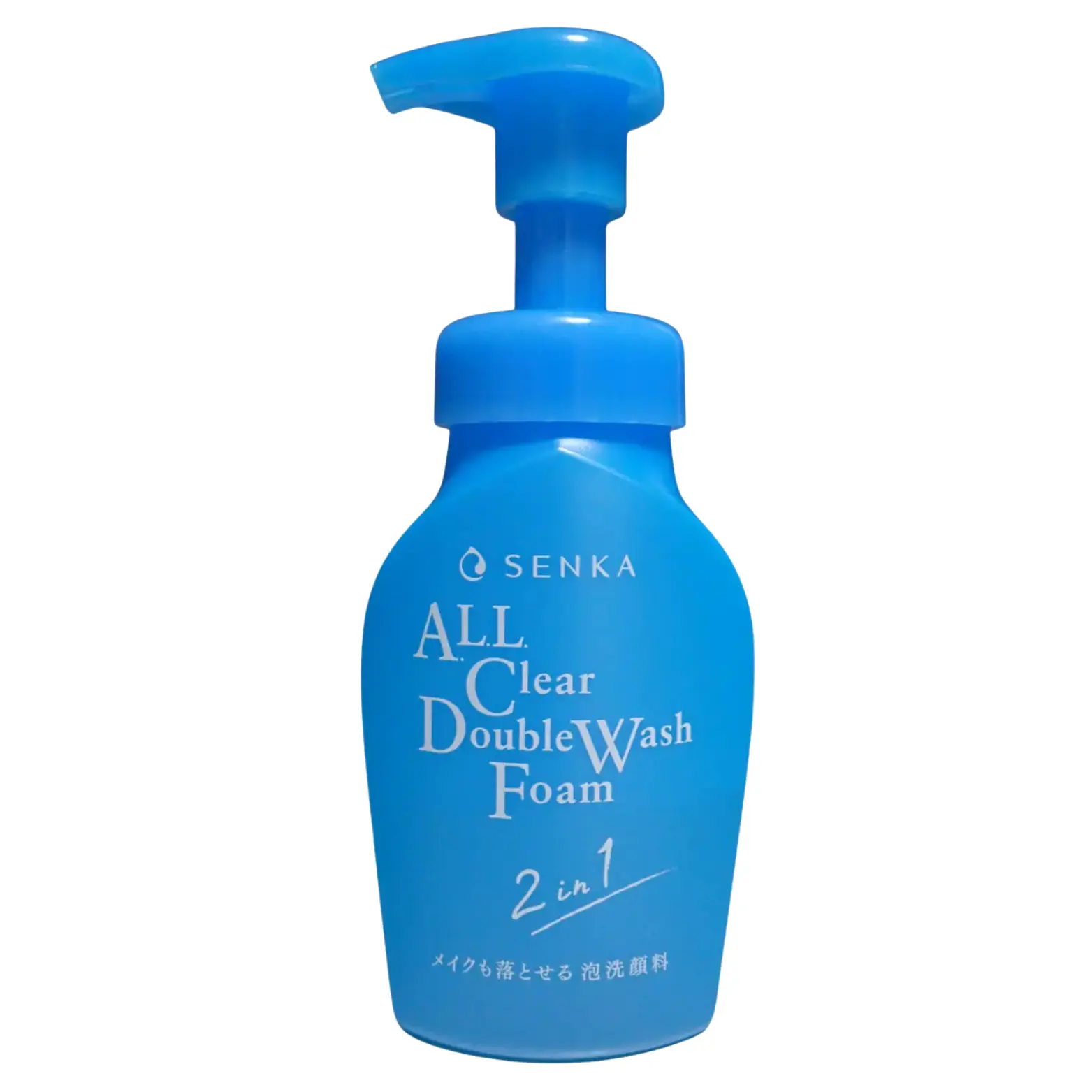
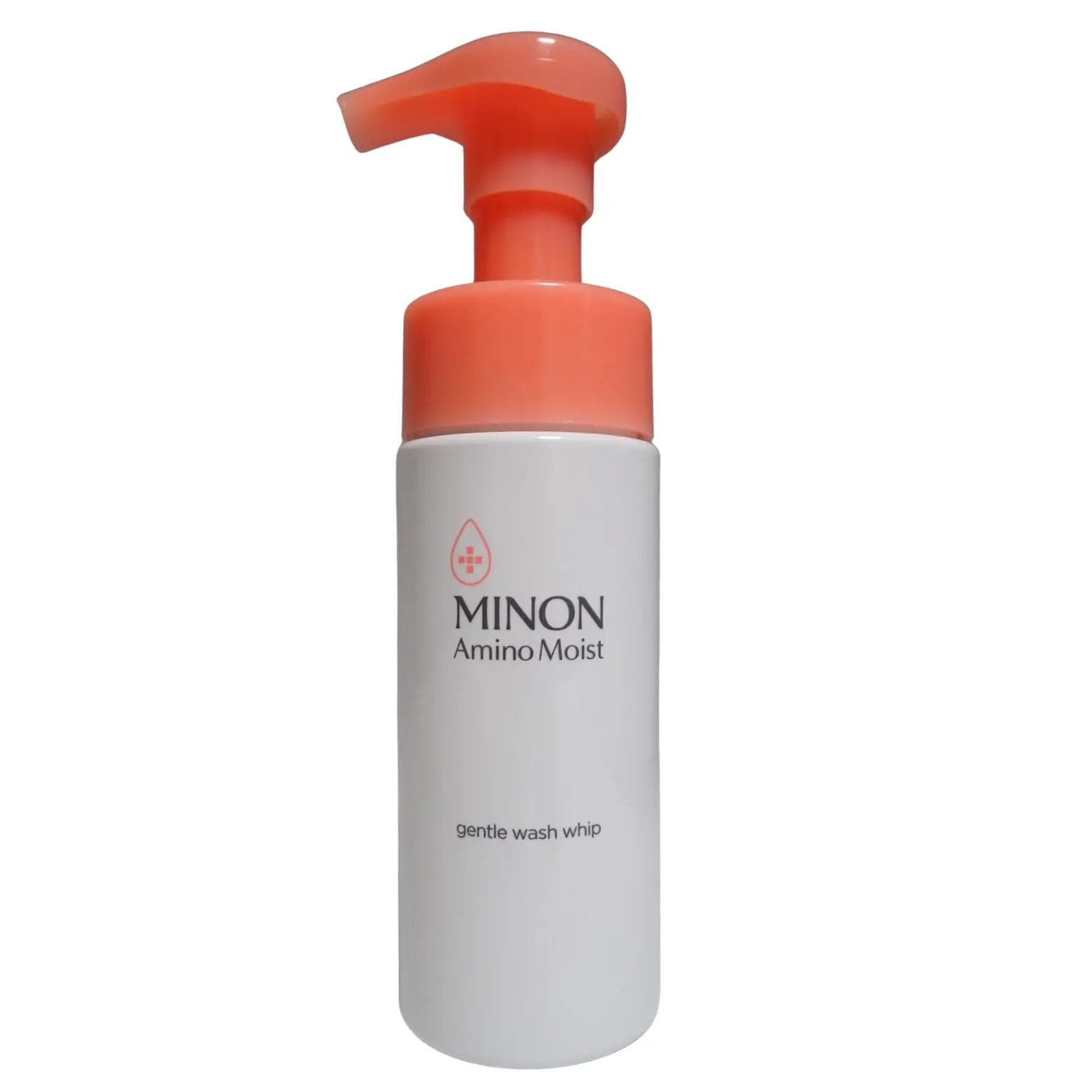
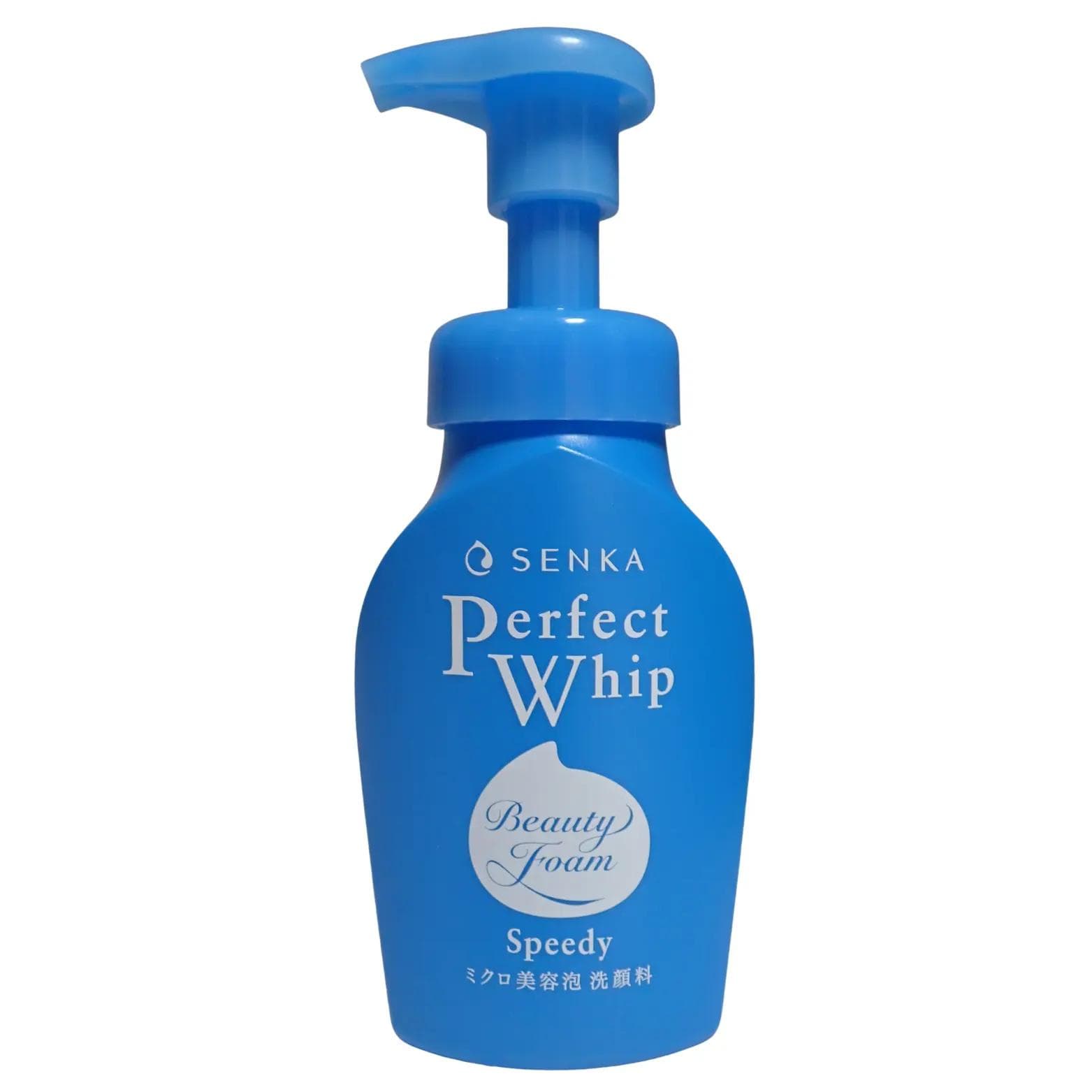
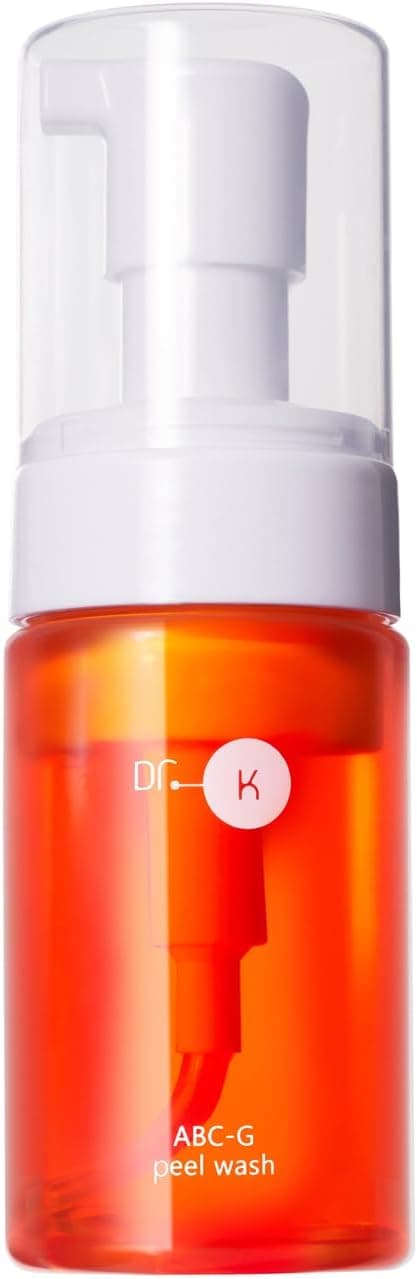
- Foam texture
- Soft
- After-feel (immediate)
- Balanced
- Volume
- 160 ml
- Uses per bottle
- 67 uses
- Foam texture
- Soft
- After-feel (immediate)
- Balanced
- Volume
- 200 ml
- Uses per bottle
- 69 uses
- Foam texture
- Soft
- After-feel (immediate)
- Slightly moisturised
- Volume
- 200 ml
- Uses per bottle
- 85 uses
- Foam texture
- Soft
- After-feel (immediate)
- Moisturised
- Volume
- 150 ml
- Uses per bottle
- 60 uses
- Foam texture
- Balanced
- After-feel (immediate)
- Fresh
- Volume
- 150 ml
- Uses per bottle
- 81 uses
- Foam texture
- Balanced
- After-feel (immediate)
- Slightly fresh
- Volume
- 120 ml
- Uses per bottle
- 62 uses
- Foam texture
- Balanced
- After-feel (immediate)
- Slightly moisturised
- Volume
- 150 ml
- Uses per bottle
- 74 uses
- Foam texture
- Cushiony
- After-feel (immediate)
- Fresh
- Volume
- 200 ml
- Uses per bottle
- 45 uses
- Foam texture
- Cushiony
- After-feel (immediate)
- Slightly moisturised
- Volume
- 150 ml
- Uses per bottle
- 42 uses
- Foam texture
- Cushiony
- After-feel (immediate)
- Slightly moisturised
- Volume
- 150 ml
- Uses per bottle
- 56 uses
- Foam texture
- Cushiony
- After-feel (immediate)
- Slightly moisturised
- Volume
- 150 ml
- Uses per bottle
- 59 uses
- Foam texture
- Cushiony
- After-feel (immediate)
- Slightly moisturised
- Volume
- 200 ml
- Uses per bottle
- 66 uses
- Foam texture
- Dense
- After-feel (immediate)
- Balanced
- Volume
- 160 ml
- Uses per bottle
- —
- Foam texture
- Dense
- After-feel (immediate)
- Slightly moisturised
- Volume
- 180 ml
- Uses per bottle
- 72 uses
- Foam texture
- Dense
- After-feel (immediate)
- Moisturised
- Volume
- 150 ml
- Uses per bottle
- 50 uses
Final Thoughts
Creating good foam doesn't require special skills.
Just remember these three points:
・Allow the cleanser to mix well with water
・Incorporate plenty of air
・Avoid adding too much water all at once
Then, once you've finished lathering, spend a few seconds looking at the foam itself.
You might spot rainbow colours or subtle movements in the foam that you've never noticed before.
At skingiene, we'll continue sharing practical tips and approachable science to help make choosing—and using—facial cleansers a little more enjoyable.
Author Description